Showing posts with label cybercrime. Show all posts

Thursday, 7 August 2014

Revenge Porn: Why Peers Don’t Like It


Some people met the news about the revenge porn law’s disapproval by the peers of the British parliament. I met it with a slow disappointment, but eventually, I realised what was in store for the United Kingdom if the revenge porn law was approved. 

Let’s define terms first. Revenge porn is when a former partner uploads to a public network media explicit in nature that both of them have produced. However, in publishing law, all parties who had partaken in producing a medium must have the approval of both parties in question. This means that the victim is also part-owner of the produced media and has a veto on the publishing of such.

This is the law that British peers are trying to use instead of having the revenge porn law. The revenge porn law incriminates anybody who had uploaded explicit media that could tarnish the reputation of another party, namely the victim. This gives the victim the right to litigate the suspect or uploader because of damages to privacy.

However, it is similar to Google’s defiance against the EU data laws that allow people to erase their online histories because it damages the private lives of such persons. If we have the revenge porn law, journalists will have limited rights to publish material especially with exposes and documentaries. It commits damages to personal privacy.

So, until the definition of revenge porn, cyber bullying and other new terms the internet has come up with is put into the constitution, we will never have a good chance of having good governance in the internet. This may work for the worse, or for the better.

Monday, 6 May 2013

Distributed Denial of Service Attacks: Against the Law?


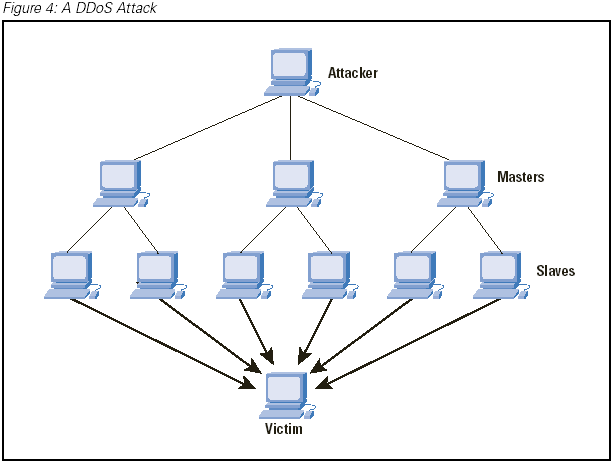
A computer hacker’s favourite weapon is the distributed denial of service attacks. These can deliver against websites by allowing users who open their browsers to allow a program to distribute multiple requests to target servers to break them down. Arrests have been made against computer users who have participated in distributed denial of service attacks or DDoS. However, is this really punishable by law?


Under the Computer Misuse Act of 1990, particularly section 3, states that any unauthorised act with intent to impair or damage computer operations of individuals is considered an offense. If the computer user has knowledge that his or her actions are unauthorised, authorities can arrest him or her for the offense.

The computer user is punishable if they have the intent to damage or impair the operation of the computer, hinder its access to any program or data in the computer and hinder its operations. Recklessness or mens rea in a criminal case means that the computer user knows the presence of a risk with their actions and that in all cases, taking the risk is actually unreasonable for the computer user’s end.

Any person guilty of violating the Computer Misuse Act of 1990 is subject to a summary conviction in England and Wales, can be imprisoned for 12 months or to a fine, or both. The maximum imprisonment they could serve is ten years, with or without fine.