Showing posts with label hack. Show all posts

Sunday, 12 May 2013

The Truth Behind the Internet Privacy Act


Wikipedia describes that the Internet Privacy Act is a non-existent and bogus law created by websites that perform illegal activities such as peer to peer networking, download hosting and piracy. Usually, websites use this law as a defence against arrest and claiming entrapment in court.

I saw one website make use of this Act as a defence for itself in the early days of the Internet during the year 2000. The big problem was that many people believed this. Some websites had viruses for people with IP addresses linking to government or state authority establishments.

The Act was said to be signed by Bill Clinton in 1995, which allows the website owner to hide their Internet Service Providers, companies and people storing the files they own. The act also protects people affiliated with the page, including their relatives, from prosecution.

However, since authorities found it false in 2005, it is still seen in some modern file sharing networks, protocols and other areas. Some hackers make use of the Internet Privacy Act to bug visitors and eventually hack into their terminals with browser-based viruses. Websites who use the Internet Privacy Act also wish to give the public and the visitor a false sense of security regarding data protection.


Monday, 6 May 2013

Distributed Denial of Service Attacks: Against the Law?


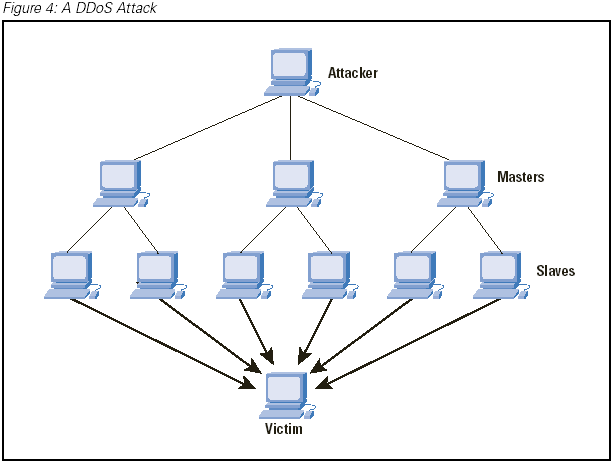
A computer hacker’s favourite weapon is the distributed denial of service attacks. These can deliver against websites by allowing users who open their browsers to allow a program to distribute multiple requests to target servers to break them down. Arrests have been made against computer users who have participated in distributed denial of service attacks or DDoS. However, is this really punishable by law?


Under the Computer Misuse Act of 1990, particularly section 3, states that any unauthorised act with intent to impair or damage computer operations of individuals is considered an offense. If the computer user has knowledge that his or her actions are unauthorised, authorities can arrest him or her for the offense.

The computer user is punishable if they have the intent to damage or impair the operation of the computer, hinder its access to any program or data in the computer and hinder its operations. Recklessness or mens rea in a criminal case means that the computer user knows the presence of a risk with their actions and that in all cases, taking the risk is actually unreasonable for the computer user’s end.

Any person guilty of violating the Computer Misuse Act of 1990 is subject to a summary conviction in England and Wales, can be imprisoned for 12 months or to a fine, or both. The maximum imprisonment they could serve is ten years, with or without fine.