Tuesday, 16 July 2013

Common Legal Issues With Websites


The Internet is the fast-evolving business and information access medium for many people in the world, but unfortunately, the legal system couldn’t keep up with the progress of these technology. Legal disputes can exist with owning a website and knowing the common legal issues might help steer you away from potential problem areas listed here.


1.    Copyrights
A website you made by hand cannot be copied by other websites and content from your websites should be given credit when referenced by other websites. While copyrights to your website design could be your main concern, you could have trouble if you display the creative works of other Internet users, specifically photographs, images, audio and video. Always give credit to your sources.

2.     Domain Names
A website’s domain name is the most important part of a website. To avoid losing a domain name, it is important that you obtain a trademark registration. Most website owners without a trademark registration ended up giving up the domain names that they actually paid for. For multiple domain names, you’ll need to make multiple registrations as well, even if working with just a single webhost.

3.    Defamation
It is easier to write lascivious material in the Internet especially if you’re anonymous. If any other website or comment defamed your website, it must adhere to the following before it is approved a valid defamation complaint:
1.    The statement is published with a third-party involved
2.    The person who issued the statement knows the statement was false


Thursday, 20 June 2013

What You Need to Know About PPI Claims Management Companies


Although vilified by the financial industry and experts for advertising and mass marketing their services, PPI claims management companies are actually very useful if you know when to make use of their services. PPI claims management companies work under a no win no fee basis and take only a quarter of your refund for their service fees, if successful. But they are not miracle workers and here are some things to know about them.


1.    Works to Reclaim your Refunds
PPI claims companies are there to address all the paperwork and duties needed to reclaim your insurance policy. Most people say you could do this on your own and you could indeed. However, not everyone has the time and pleasure to review and address the details of their insurance policy. It can take an hour to process all your information by yourself and weeks of waiting for the results. Now think about your efforts when your bank rejects your claim.

2.    Does Not Force You To Work With Them
All claims management advertisements are not exactly self-serving; they only show you why they are necessary and how they can help you get your refunds. PPI claims managers do not force you to work with them. They can only show you what they can do, the successes they’ve achieved with previous clients and their knowledge base. Of course, do not work with claims management companies who may be scammers or continue to pester you with cold calls.

3.    Claims Regulation Number
The Ministry of Justice oversees all activities claims managers perform with their clients. If you decide to work with a PPI claims company, be sure to ask for their CRN. Most effective PPI claims companies have their CRN on their pages, such as the PPIClaimsCo website you could visit through this link.

Sunday, 12 May 2013

The Truth Behind the Internet Privacy Act


Wikipedia describes that the Internet Privacy Act is a non-existent and bogus law created by websites that perform illegal activities such as peer to peer networking, download hosting and piracy. Usually, websites use this law as a defence against arrest and claiming entrapment in court.

I saw one website make use of this Act as a defence for itself in the early days of the Internet during the year 2000. The big problem was that many people believed this. Some websites had viruses for people with IP addresses linking to government or state authority establishments.

The Act was said to be signed by Bill Clinton in 1995, which allows the website owner to hide their Internet Service Providers, companies and people storing the files they own. The act also protects people affiliated with the page, including their relatives, from prosecution.

However, since authorities found it false in 2005, it is still seen in some modern file sharing networks, protocols and other areas. Some hackers make use of the Internet Privacy Act to bug visitors and eventually hack into their terminals with browser-based viruses. Websites who use the Internet Privacy Act also wish to give the public and the visitor a false sense of security regarding data protection.


Wednesday, 8 May 2013

What You Need To Look For in a Reputable Legal Representative


Law firms and claims management companies are plenty everywhere in the UK. However, which one would guarantee you good results? A reputable legal representative has the following qualities listed here


.
1.     No Upfront Fees
What you might consider unprofessional and just plain rude is when a lawyer already asks you an upfront fee just before you consult your case with them. Upfront fees are not a good sign of a fruitful working relationship. A professional legal representative would first tell you their plan of action and achieve for you results before charging you with anything.

2.     Years of Experience
A lawyer knows more than he or she should if they have already been long in the industry. You could expect professional aid and in-depth knowledge based on your lawyer’s years of experience. They could also apply many legal propositions easily in court given that they have tried and tested these ideas in past cases.

3.     Expert in the Field
A legal representative could only be effective if they specialize in the field or aspect of your case. A personal injury lawyer could only do so much for corporate and business laws. It is important to know the specialty of your lawyer before you employ them to handle your case.

Monday, 6 May 2013

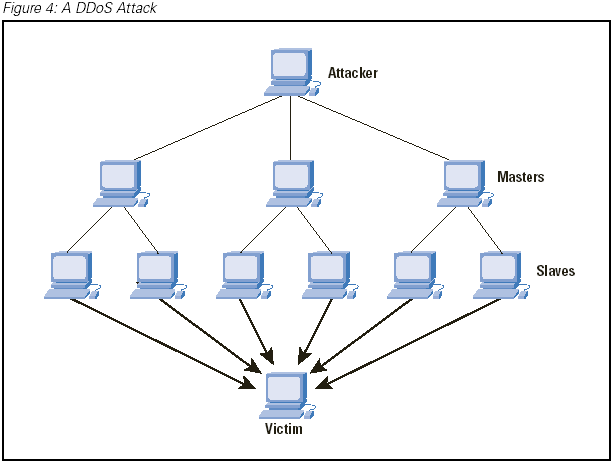
Distributed Denial of Service Attacks: Against the Law?


A computer hacker’s favourite weapon is the distributed denial of service attacks. These can deliver against websites by allowing users who open their browsers to allow a program to distribute multiple requests to target servers to break them down. Arrests have been made against computer users who have participated in distributed denial of service attacks or DDoS. However, is this really punishable by law?


Under the Computer Misuse Act of 1990, particularly section 3, states that any unauthorised act with intent to impair or damage computer operations of individuals is considered an offense. If the computer user has knowledge that his or her actions are unauthorised, authorities can arrest him or her for the offense.

The computer user is punishable if they have the intent to damage or impair the operation of the computer, hinder its access to any program or data in the computer and hinder its operations. Recklessness or mens rea in a criminal case means that the computer user knows the presence of a risk with their actions and that in all cases, taking the risk is actually unreasonable for the computer user’s end.

Any person guilty of violating the Computer Misuse Act of 1990 is subject to a summary conviction in England and Wales, can be imprisoned for 12 months or to a fine, or both. The maximum imprisonment they could serve is ten years, with or without fine.

Thursday, 2 May 2013

Social Media Websites Could Be Held Responsible for Cyberbullies’ Identities


The Internet has seen its fair share of bloodshed as cyberbullies continue to pound on unsuspecting people forcing them to actually commit suicide or crimes through influence and abusive language. Justice Secretary Ken Clarke wants to remove anonymity on social media websites Facebook and Twitter to punish those who continue to speak lies, slander and libellous comments online.


Justice Clarke said that Internet companies will need to give up the names and identities of their members who continue to bully other Internet users, or else the Internet company itself will face charges for hiding the identity of suspects in question. Clarke also cleared that the suspects identities are only to the eyes of government entities.      

Clarke stated that individuals have no defence against defamers and rumor-spreaders using libellous comments on social media websites and other Internet social services. Some people have lost their jobs and families because of false rumours spreading with victims accused of pedophilia, manslaughter and other offensive and obscene accusations.

Recently, other governments, including some states in the United States, formed legal “social media” squads, who would allow offensive expressions of opinion, yet would counter any form of threatening message that could lead to undesirable consequences.

Public opinion was divided about the new law. Some netizens state that the law was intrusive and threatening to the freedom of expression. However, others found that it made sharing ideas and opinioins much safer knowing that there is a law that could protect people who get bullied by an Internet community.

Monday, 15 April 2013

Advertising Laws in the United Kingdom

Advertising laws are quite strict in the United Kingdom because unsolicited messages, advisories and inappropriate advertisements can affect the sensibilities of citizens. All around Europe and the western world, advertisements are regulated for false advertising, children-targeted advertising, tobacco advertising and alcohol advertising. Corporations are allowed to make market and advertising campaigns on the condition that they properly adhere to the following UK laws on advertisements.

1.     Outdoor Advertising
The UK Town and County Planning System regulate advertising billboards and print advertisements. Each advertisement medium should have a permit from the Planning Authority. It is considered a criminal offense not to have these permits when needed. The fine for each offense is £2500. Almost every UK major outdoor billboard company already received these offenses to date.
2.     Content
All UK advertising content in print ads, television, radio and Internet should promote wholesome messages and should never target children below 10 years of age.  All content should not be misleading, inaccurate, ambiguous, exaggerated or even omitted. Laws may apply if certain UK group sensibilities become offended.
3.     Direct Marketing
Direct mailing to customers are also within the Advertising Standards Authority’s investigation remit. Sometimes, unsolicited emails, brochures and catalogues sent excessively could become irritating and offensive to some customers.
4.     Internet
In the Internet, the use of pop up advertisements, banner advertisements and sponsored links are also regulated. It is important that Internet marketers do not use black hat optimization techniques to attract customers because it could cause computer system breakdowns in some customer terminals or excessive resource use that could damage systems.